

27 Fall Wedding Guest Dresses Under $150 That Look Expensive (by Dress Code)
I have been the guest who spent too much on a dress I wore once, and I have been the guest who found a dress for far less and got asked all night where it came from. I can tell you honestly: the price tag was not the difference. The fabric, the fit, and the way I finished the outfit were.
Fall is my favourite season for wedding guest dressing. The colours are richer, the fabrics are heavier, and a simple dress can look polished without a lot of effort. You do not need a designer label to look expensive. You need the right dress code, the right length, and a few small choices that lift the whole look.
This guide gives you 27 fall wedding guest dresses under $150, sorted by dress code, so you can skip straight to the section that matches your invitation. I have kept the language simple and the advice practical, because that is how I shop myself. If you are new here, welcome to The Daily Style Edit — and if you want more ideas in this style, browse our wedding guest outfits for occasion looks that work in real life, not just in photos.
A quick note on prices: the dresses below are the kinds of styles I regularly find under $150, but prices change with sales, sizes, and stock. Treat $150 as your shopping target, not as a promise that every shop will hold that price on the day you buy. Check the price before you check out, and buy the size that fits your body now, not the size you hope to be by the wedding.
First, read the dress code like this
Before you fall in love with a dress, read the invitation twice. The dress code, the time, and the venue tell you almost everything.
Daytime and outdoor weddings call for lighter fabrics and shorter hemlines. Evening weddings call for darker colours, richer fabrics, and a more polished finish. A garden wedding in October is not the same as a ballroom wedding at 7 pm, even if both invitations say “semi-formal.”
I always ask myself three questions: What time does it start? Will I be outside, on grass, or on a dance floor? And can I sit, eat, dance, and walk in this dress for five hours? If the answer to that last one is no, I do not buy it, no matter how pretty it looks on the hanger.
Two rules I never break: I do not wear white, ivory, or anything that could be mistaken for a bridal dress. And I do not wear a dress I have to keep pulling up, pulling down, or adjusting. Comfort reads as confidence, and confidence is what makes a simple dress look expensive.
How a dress under $150 looks expensive
I have learned this the hard way, after a few dresses that looked lovely online and cheap in person. Here is what actually makes the difference.
Fabric first. Look for satin, velvet, crepe, chiffon with a good lining, and heavier jersey. Avoid thin, shiny polyester that clings and shows every line, and avoid stiff fabric that stands away from your body. If the fabric feels good in your hands, it will usually photograph well too.
Fit second. A dress that fits your shoulders and waist, with no gaping at the chest and no pulling at the hips, will always look better than a famous label in the wrong size. I always try the dress with the shoes I plan to wear, because length changes everything.
Finish third. Steam or press the dress. Choose one strong accessory, not five. Match your bag to your shoes in tone, not necessarily in exact colour. And keep your hair simple and neat. A clean, simple finish makes a budget dress look intentional.
Colour helps a lot in fall. Burgundy, forest green, navy, plum, chocolate brown, burnt orange, and deep teal all look rich in autumn light. Black can work too, especially in the evening, if you soften it with gold jewellery or a coloured clutch.
Now, here are the 27 dresses, by dress code.
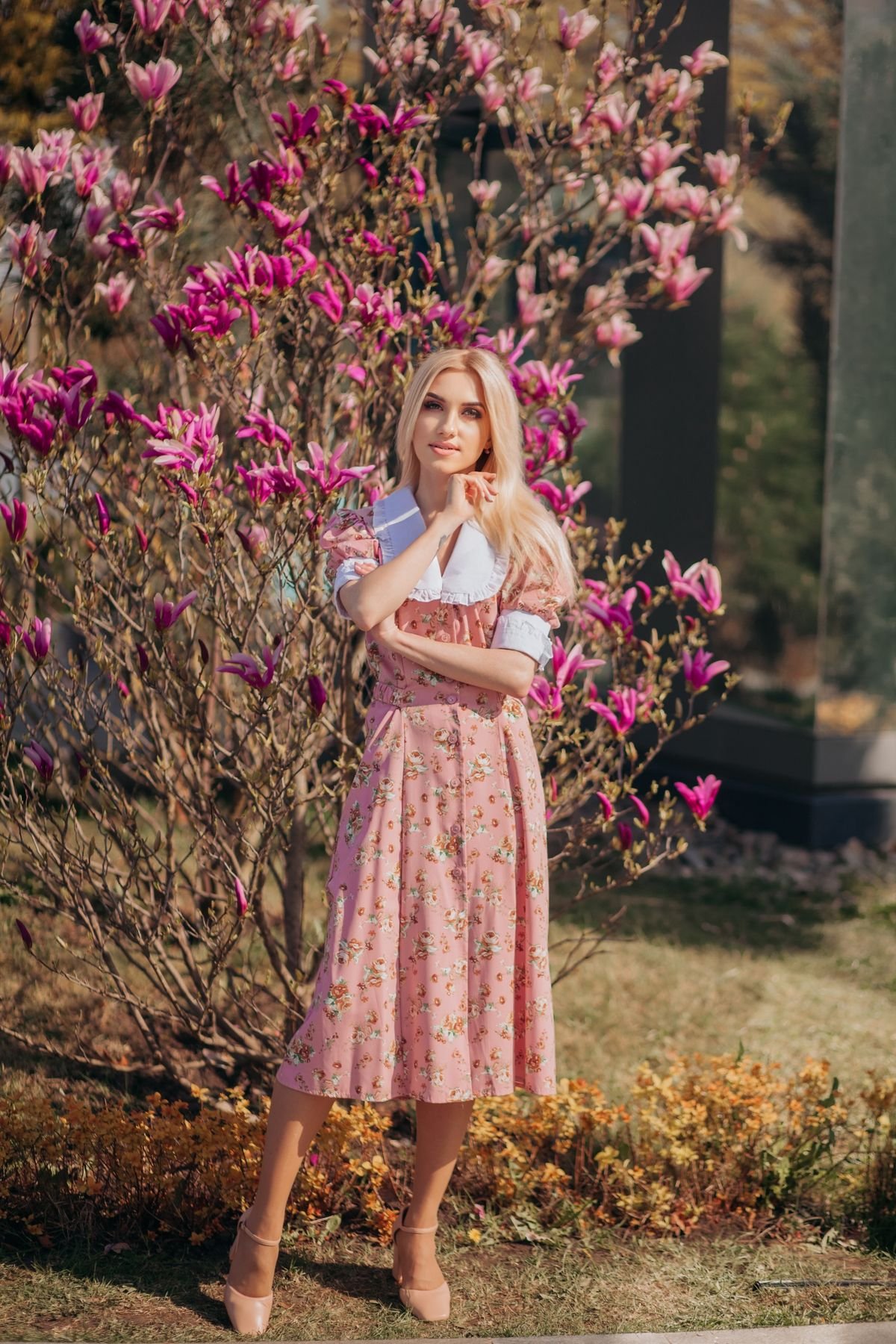
1. Casual daytime and garden weddings — Dresses 1 to 5
Casual does not mean sloppy. It means relaxed, comfortable, and pretty, with no stiff formal fabric and no floor-length gown.
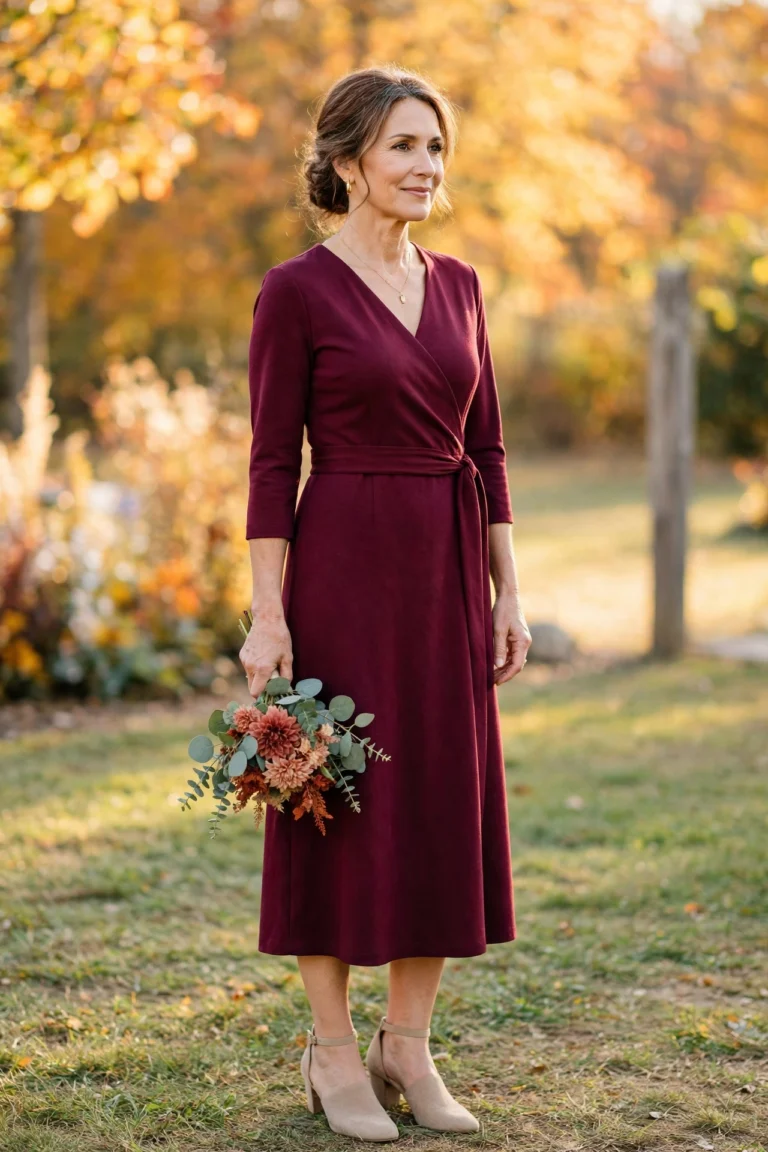
1. A burgundy floral midi dress with short sleeves. I love this for an outdoor ceremony because the print hides wrinkles and the midi length works on grass. Pair it with block heels so you do not sink into the lawn.
2. A forest green wrap dress in soft jersey. I always reach for a wrap dress when I want a dress I can eat dinner in. It defines the waist without feeling tight, and it suits most body shapes.
3. A burnt-orange sweater-knit midi dress. This is my pick for a cool October afternoon. It looks warm and seasonal, and it pairs beautifully with tan boots or block-heel sandals.
4. A navy floral tea dress with a fitted waist and a flared skirt. I tried a version of this at a garden wedding last fall, and I danced in it for hours. It moves well, and it photographs beautifully against autumn leaves.
5. A plum chiffon midi dress with elbow sleeves. Chiffon sounds light for fall, but with a lining and a light wrap, it works well for a daytime wedding that moves indoors for dinner. Keep the jewellery simple and let the colour do the work.
My tip for this group: choose a dress you could also wear to a nice dinner later. If a dress only works for one wedding, it is not a good use of your budget.
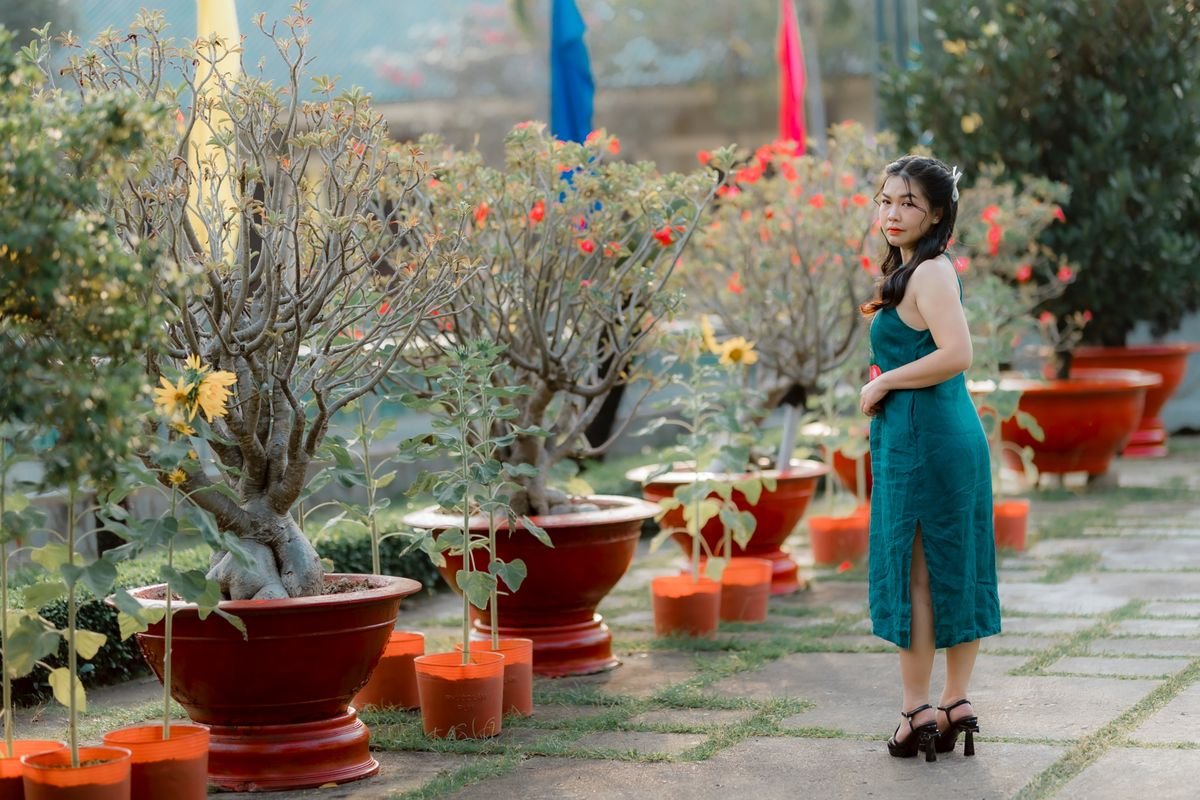
2. Semi-formal afternoon weddings — Dresses 6 to 11
Semi-formal is the dress code I see most often, and it is also the one that confuses people most. Think polished, but not ballroom. A midi dress in a rich fabric is almost always right.
6. A teal satin midi dress with a cowl neckline. Satin looks expensive when it is thick and matte, not thin and shiny. I always check satin in daylight before I buy it.
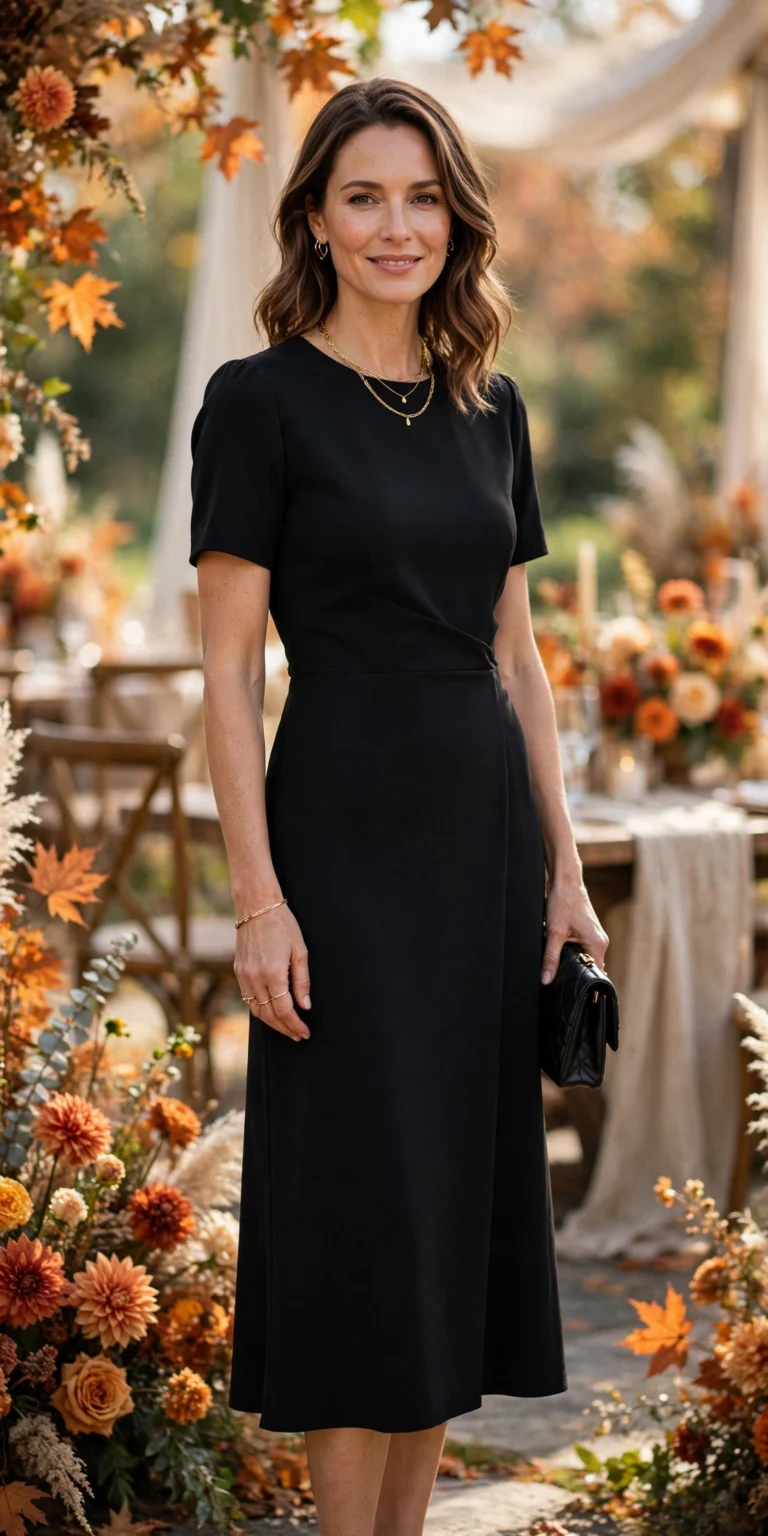
7. A chocolate brown crepe sheath dress with three-quarter sleeves. I love this one for work friends’ weddings, because it looks grown-up and calm. Add gold earrings and a small structured bag, and you are done.
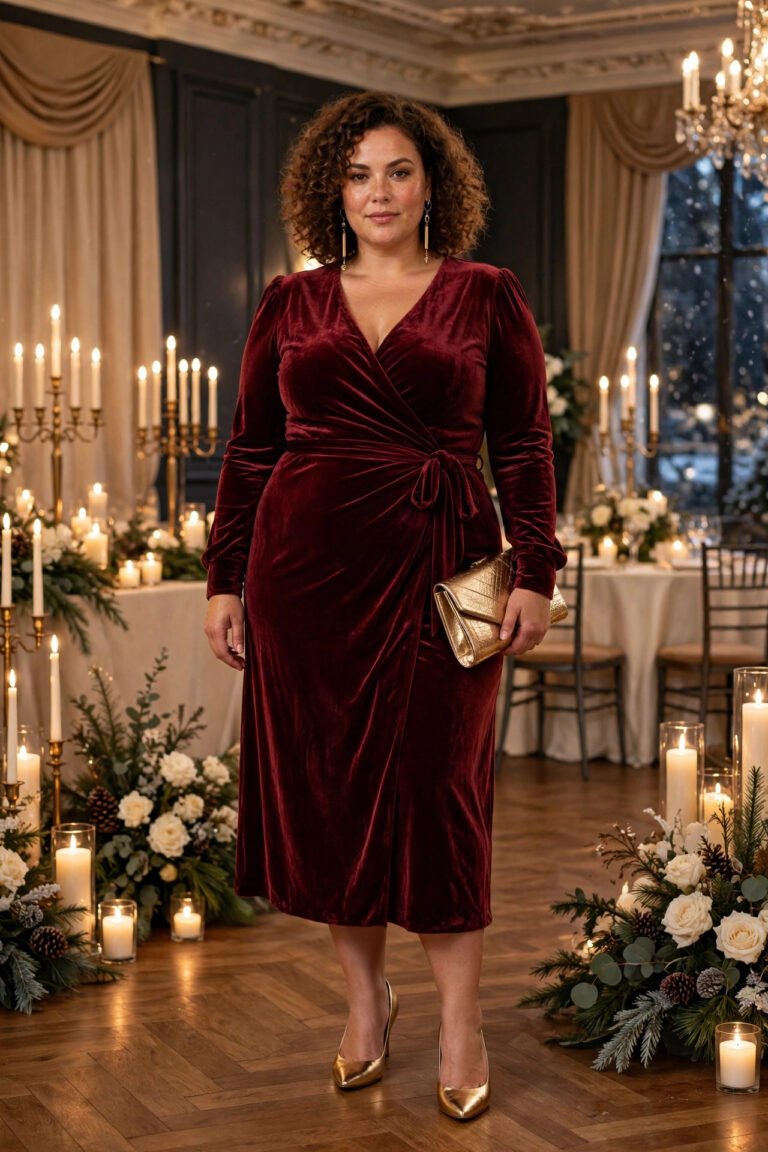
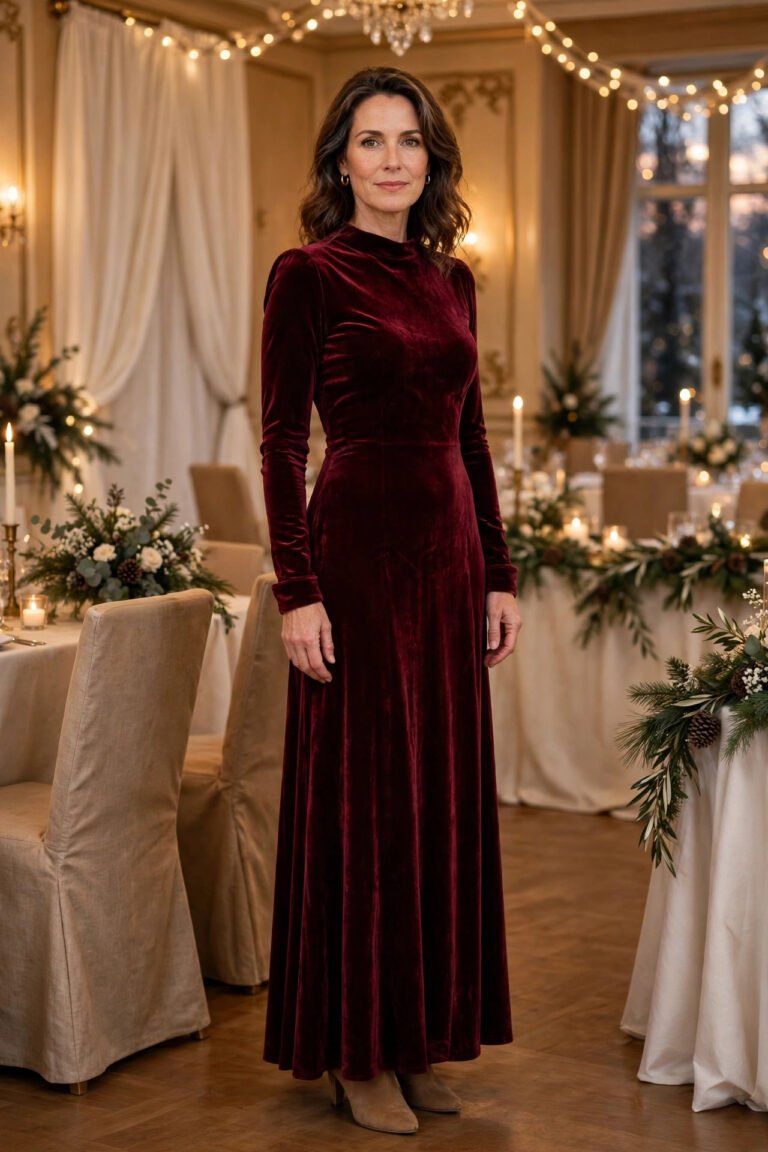
8. A burgundy velvet midi dress with long sleeves. Velvet is a fall hero fabric. It looks rich, it feels warm, and it needs almost no jewellery. I keep the shoes simple with velvet, so the dress stays the star.
9. A deep plum pleated midi dress. Pleats move beautifully when you walk and dance, and they hide a lot. I always steam pleats the night before, because crushed pleats are the one thing that can make this style look tired.
10. A navy lace-overlay midi dress with a lined bodice. Lace can look expensive or old-fashioned, and the difference is the lining and the length. Keep the lace modern: a clean neckline, a midi length, and no fussy sleeves.
11. A rust-coloured wrap midi dress in heavier crepe. This is the dress I recommend when you are not sure about the venue. It works indoors and outdoors, in daylight and in the evening, and it suits a wide range of shoes.
My tip for this group: if the invitation says semi-formal but gives no time, dress for the evening end of semi-formal. It is easier to feel slightly dressy than to feel underdressed in photos.
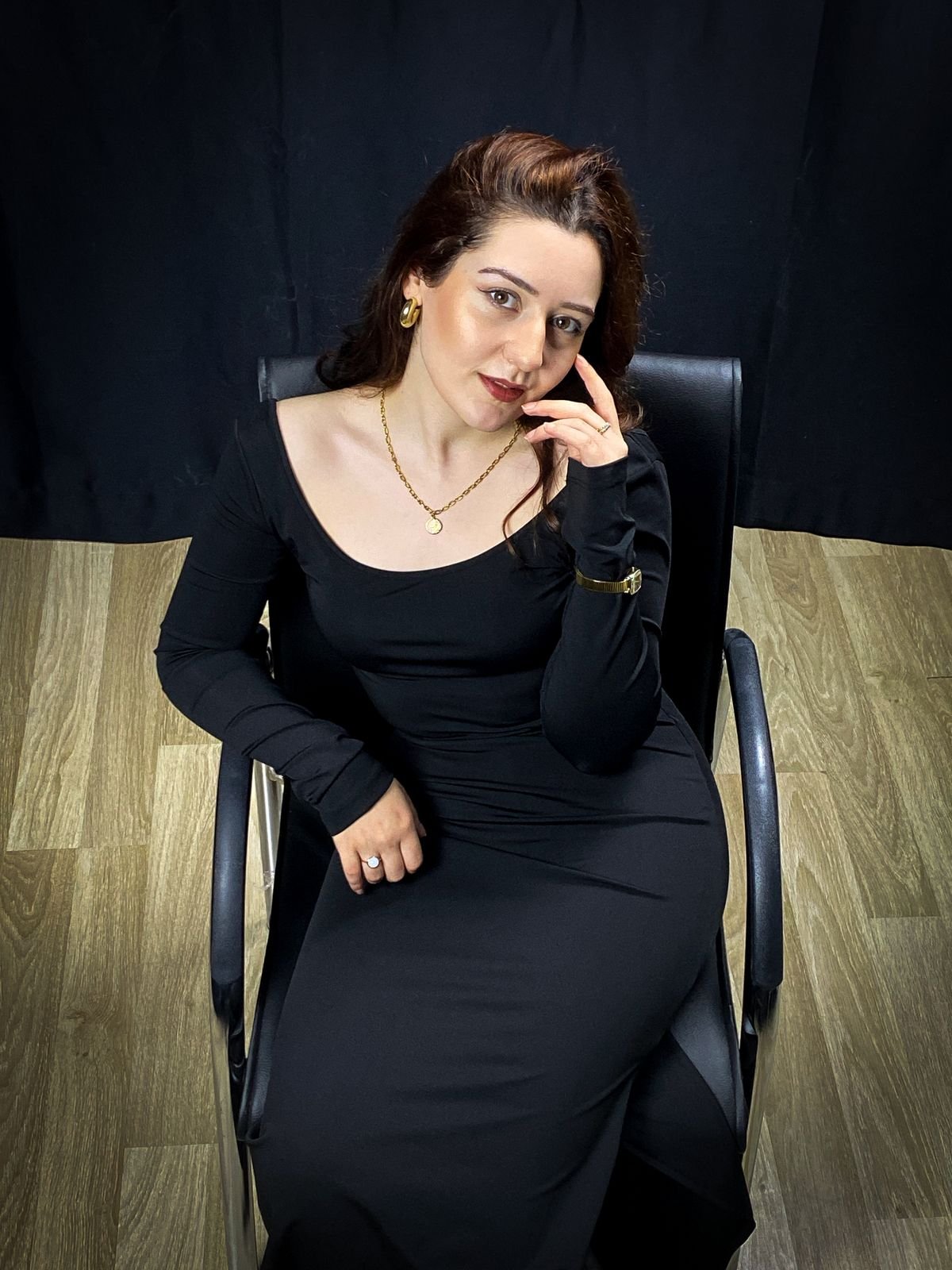
3. Cocktail evening weddings — Dresses 12 to 17
Cocktail means short, polished, and a little bit fun. This is where you can wear a bolder colour, a stronger shoe, and one statement accessory.
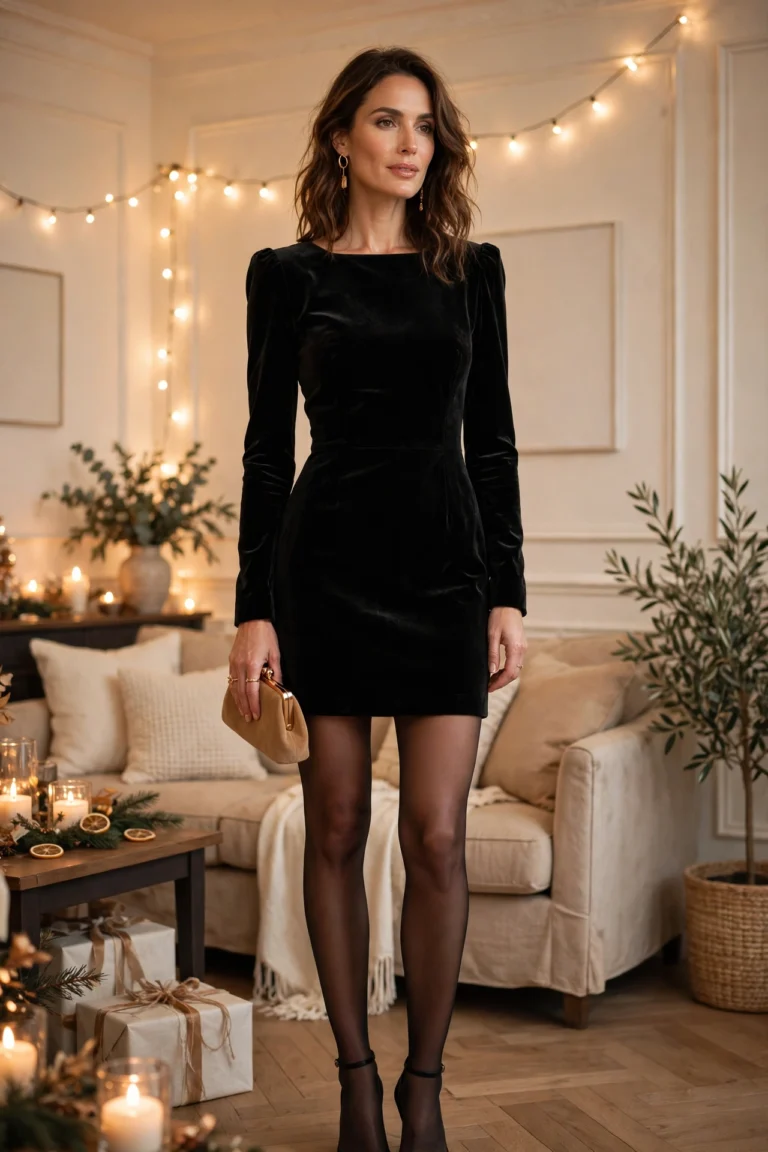
12. A black satin cocktail dress with a simple scoop neck. I know black can feel safe, but a well-cut black dress in good satin, with gold earrings and a small clutch, looks timeless in the evening. I always avoid a black dress that is also short, tight, and shiny all at once — pick one of those qualities, not all three.
13. An emerald green one-shoulder midi dress. One shoulder looks elegant without trying too hard. I keep my hair up with this neckline, so the shape of the dress shows.
14. A wine-red sequin midi dress, with sequins kept to the dress only. I tried sequins once with sequin shoes and a sequin bag, and I learned my lesson. One sequin piece, plus plain shoes and a plain bag, looks expensive. Three sequin pieces look like a costume.
15. A navy velvet cocktail dress with a fitted bodice and a flared skirt. Velvet in a shorter length still reads as evening, especially in navy. I pair it with simple black heels and a small black clutch.
16. A burnt sienna satin slip dress with a light wrap for warmth. A slip dress can look very elegant in fall if the fabric is thick and the fit is right. I always wear a wrap or a tailored jacket over it for the ceremony, then take it off for dancing.
17. A plum metallic-thread midi dress, with a soft shine rather than a loud glitter. This is my pick when the wedding is in a city venue with warm lighting. In that light, a soft metallic thread looks rich, not flashy.
My tip for this group: bring a small bag you can dance with. A big tote, even a pretty one, will drag a cocktail outfit down in photos.
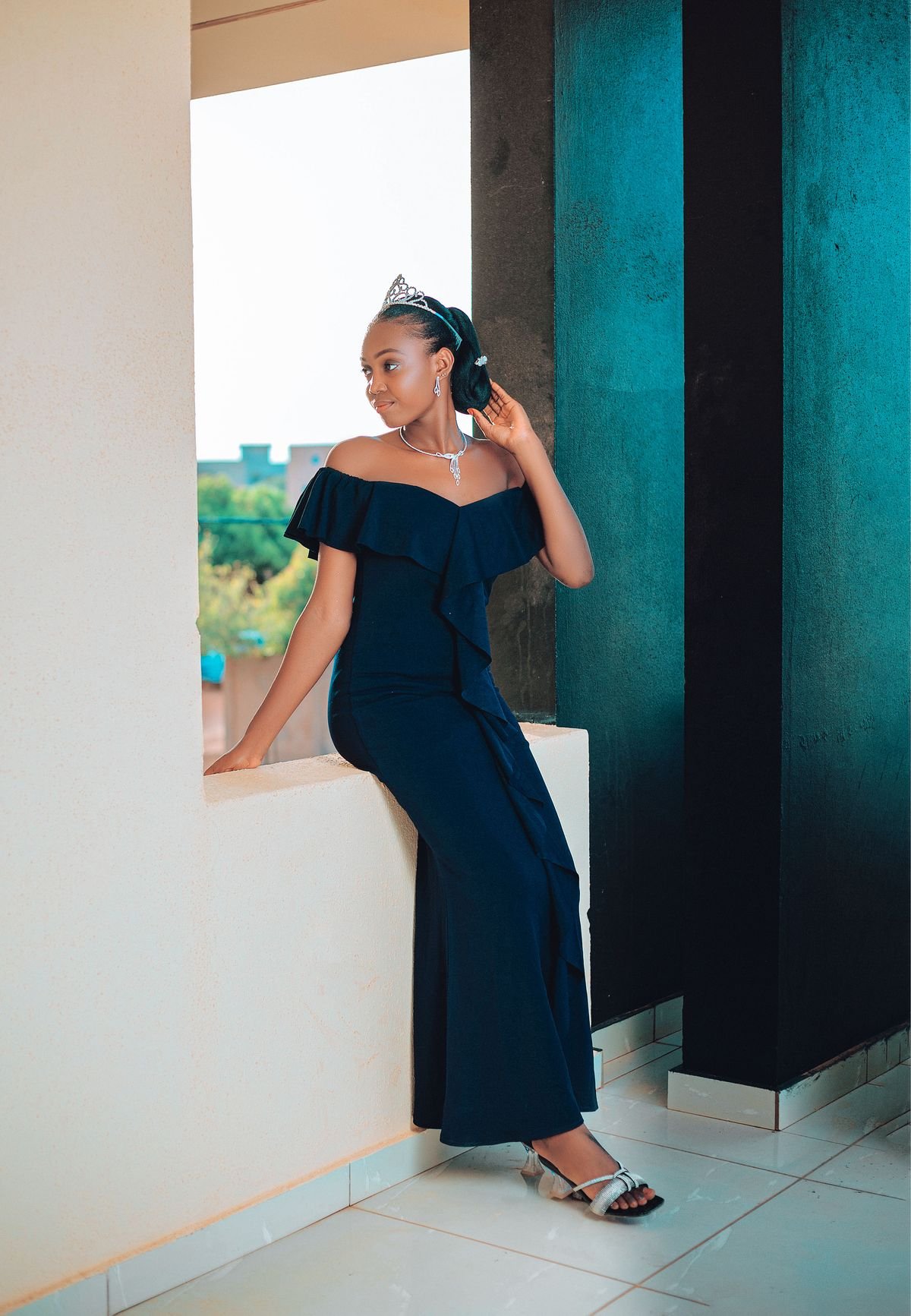
4. Formal evening weddings — Dresses 18 to 22
Formal means longer, richer, and more polished. You do not need a train or a ball gown. A long dress in a beautiful fabric, with clean hair and simple jewellery, is enough.
18. A floor-length navy chiffon gown with long sleeves. I love this for a formal fall wedding because it covers your arms, moves well, and never looks overdone. Keep the jewellery to earrings and a bracelet.
19. A burgundy satin maxi dress with a draped waist. Draping is kind to the middle, and satin in burgundy looks expensive in evening light. I always check the length with my actual heels, because a maxi that drags on the floor will get stepped on.
20. A forest green velvet maxi dress with a simple V-neck. Velvet in a long length is one of the most forgiving formal choices I know. It looks warm, rich, and calm, and it suits a wide range of ages.
21. A black crepe maxi dress with a high slit for walking. A slit is practical, not just stylish — it lets you walk, sit, and dance without fighting the fabric. I keep the slit modest and the shoes simple.
22. A plum satin wrap maxi dress. A wrap maxi gives you a defined waist and an adjustable fit, which is a gift when you are between sizes. I pair it with gold shoes or a gold clutch, but not both at full strength.
My tip for this group: formal does not mean uncomfortable. If you cannot walk up stairs in the dress, change the shoes, not the dress. A lower block heel in a matching colour will save your night.
5. Black-tie optional weddings — Dresses 23 to 27
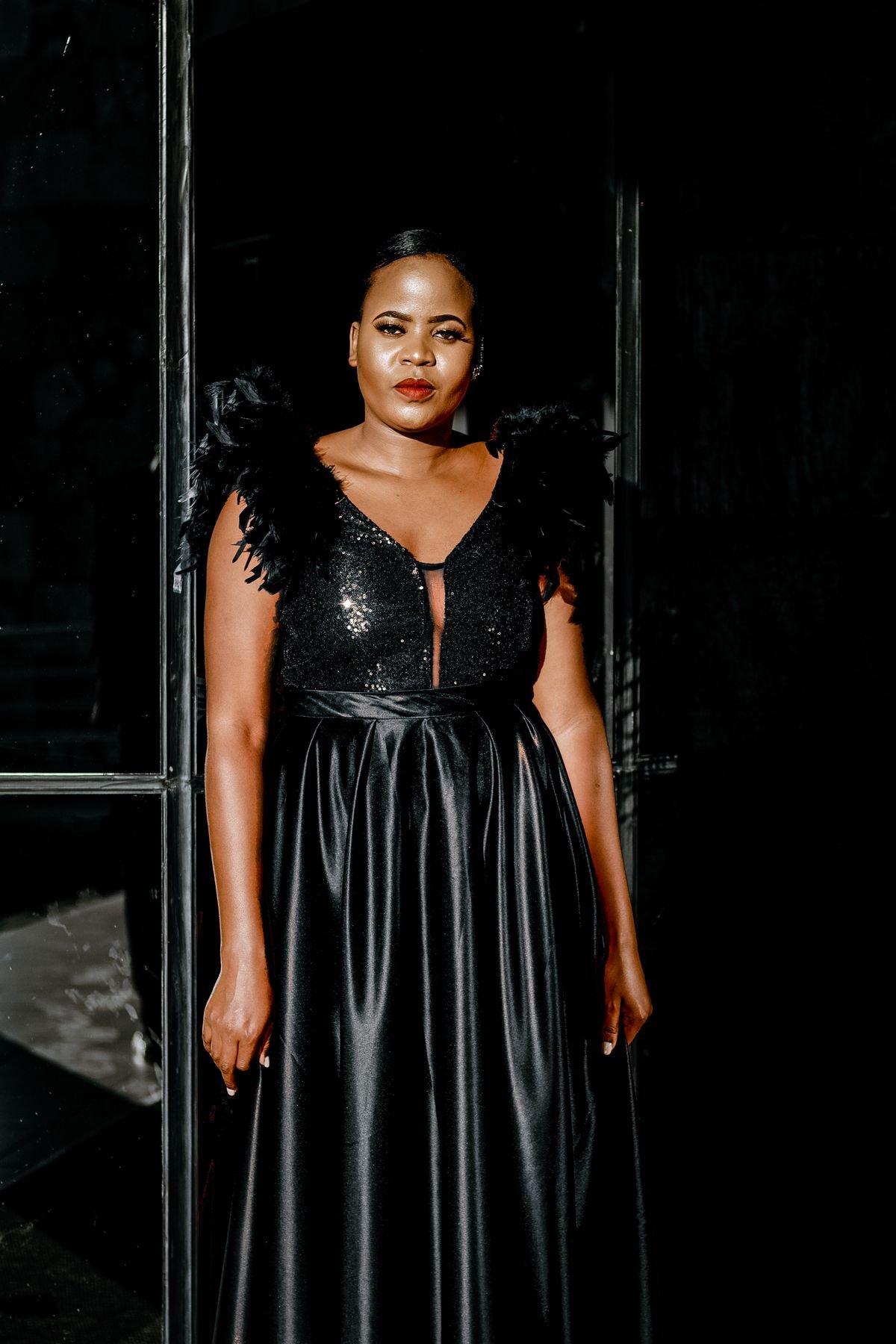
Black-tie optional gives you a choice: a long gown, a very dressy cocktail dress, or elegant separates. I usually choose a long dress, because it removes all doubt, but a polished midi can work if the fabric and finish are formal enough.
23. A black velvet floor-length gown with a clean neckline. This is my safest black-tie optional choice. It is simple, it is warm for fall, and it looks right in almost any formal venue.
24. A deep emerald satin maxi dress with short sleeves and a fitted waist. Emerald photographs beautifully against dark wood, candlelight, and autumn flowers. I keep the bag small and dark.
25. A navy sequin maxi dress, with the sequins in a dark, tonal colour rather than bright silver. Dark sequins look expensive. Bright, large sequins can look like a party dress, not a formal gown.
26. A wine-red chiffon maxi dress with a lined bodice and long sleeves. Chiffon in a long length, with sleeves, is a lovely formal choice for a guest who does not want velvet or satin. It moves well on the dance floor, which matters more than people admit.
27. A charcoal crepe maxi dress with gold jewellery and a structured clutch. Charcoal is softer than black and just as formal in the evening. I love this one because it is easy to rewear to a formal dinner later, so the cost per wear is very low.
My tip for this group: when in doubt, go longer and darker. A long, dark dress in a good fabric is almost never wrong at a black-tie optional wedding.
Shoes, bags, and warmth: the finishing touches I never skip
I have seen a beautiful dress ruined by the wrong shoes, so I plan shoes early. For grass, choose block heels or elegant flats. For a long evening, choose a heel you have already walked in, not a brand-new pair. For a formal wedding, choose a small clutch, not a day bag.
For fall warmth, I pack a wrap, a tailored jacket, or a light coat that matches the dress. I never rely on the venue being warm. A beautiful wrap in a neutral colour — black, camel, or navy — will work with almost every dress in this guide.
I also keep a tiny kit in my clutch: a safety pin, a plaster for blisters, and lipstick for touch-ups. It sounds small, but it has saved me more than once.
What not to wear, even if it is under $150
Do not wear white, ivory, cream, or a dress that looks bridal in photos. Do not wear a dress with a train you cannot manage. Do not wear neon colours to a formal evening wedding, and do not wear denim, trainers, or a casual day dress to a semi-formal or formal wedding.
I also avoid a dress that needs shapewear to work. If a dress only looks good with a lot of extra help underneath, it is not the right dress. The dresses above are chosen to look good on a real body, with normal underwear, after a real wedding meal.
Conclusion: pick the dress code first, then the dress
If you take one thing from this guide, let it be this: start with the dress code, not with the dress. Find your section above, pick two or three styles you love, and try them with the shoes you already own. The dress that fits well, feels comfortable, and matches the time and venue will always look more expensive than a dress that fights you all night.
I hope this list saves you time, money, and that familiar pre-wedding panic in front of the mirror. Fall weddings are beautiful, and you deserve to enjoy them without worrying about your outfit.
For a second opinion on formality before you buy, I check the Emily Post Institute’s wedding guest guide — see their wedding guest attire guide — because it explains the dress codes in plain, practical terms. Then I trust my own rule: if I feel calm, comfortable, and like myself in the dress, it is the right one.
7 Comments